

On October 1, 2026, the global space community turned its eyes toward Cape Canaveral Space Force Station. The successful launch of NASA’s SpaceX Crew-13 mission marked another milestone in the ongoing effort to maintain a continuous human presence in low-Earth orbit. As the Dragon spacecraft carried its international crew toward the International Space Station, the mission underscored the sophisticated logistics required to sustain long-duration science expeditions in the harsh environment of space.
For those tracking the intersection of official aerospace operations and the evolving discourse on Non-Human Intelligence, the routine nature of these launches often masks the complex reality of what occurs in the orbital theater. While NASA missions remain focused on scientific research and commercial partnership, the persistent monitoring of the sky from the ISS serves as a critical, if often overlooked, vantage point for space-based observation.
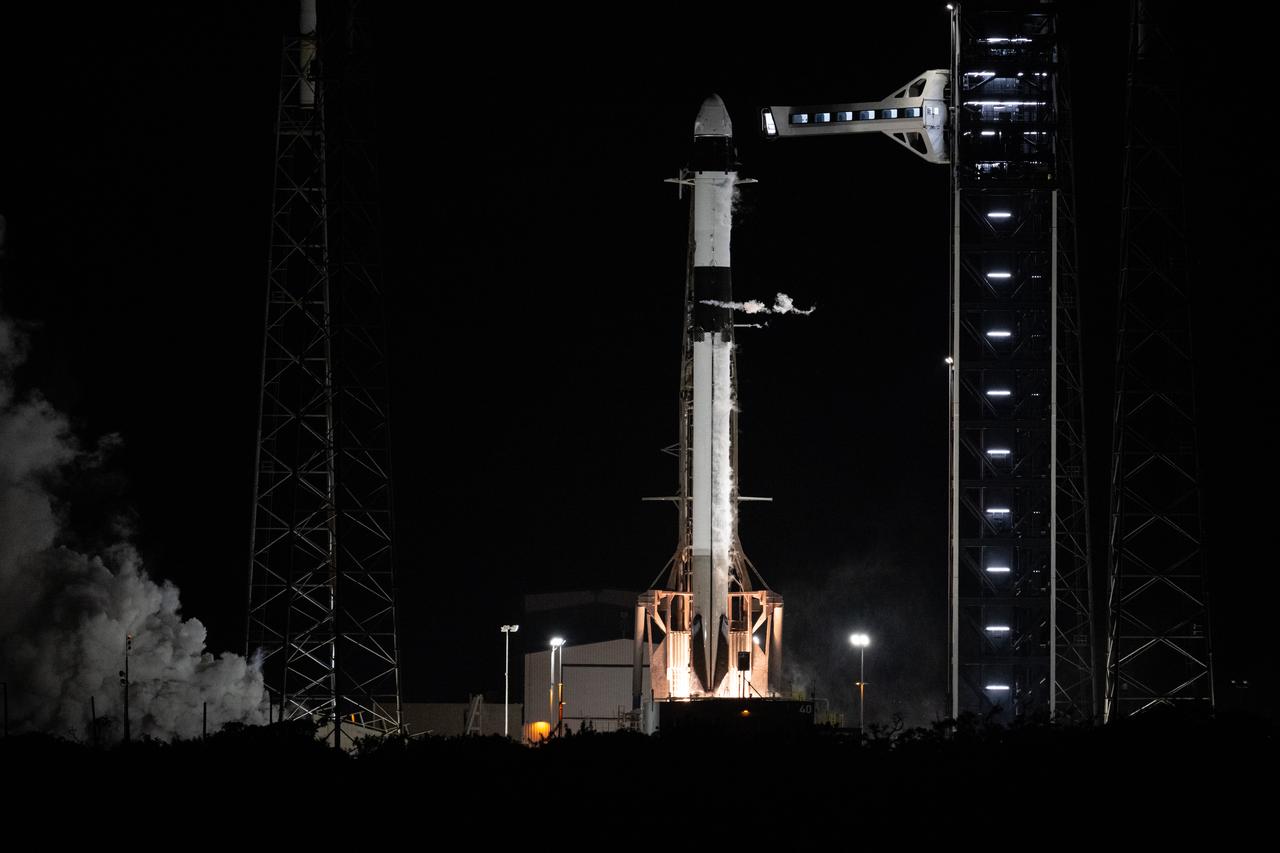
Image: NASA — NASA’s SpaceX Crew-9 Final Prelaunch Engine Firing Test
→ The Mechanics of the Crew-13 Expedition
The Crew-13 mission, which launched at 11:10 a.m. EDT, represents the latest iteration of commercial spaceflight capabilities. According to official NASA news releases, the crew includes NASA astronauts Jessica Watkins and Luke Delaney, Canadian Space Agency astronaut Joshua Kutryk, and Roscosmos cosmonaut Sergey Teteryatnikov. The timeline for the mission was notably efficient, with the Dragon spacecraft designed to reach the orbiting outpost in under nine hours, as highlighted by reports from ScienceDaily.
This rapid transit capability is a testament to the advancements in orbital mechanics and spacecraft design that have evolved since the early days of the space program. However, as the crew begins their science expedition, researchers of UAP Disclosure continue to examine the data streams emanating from such missions. The ability to reach orbit with such precision is not merely a logistical feat; it is a fundamental requirement for any agency tasked with monitoring the near-Earth environment for Interstellar Alien Object activity or anomalous signatures.
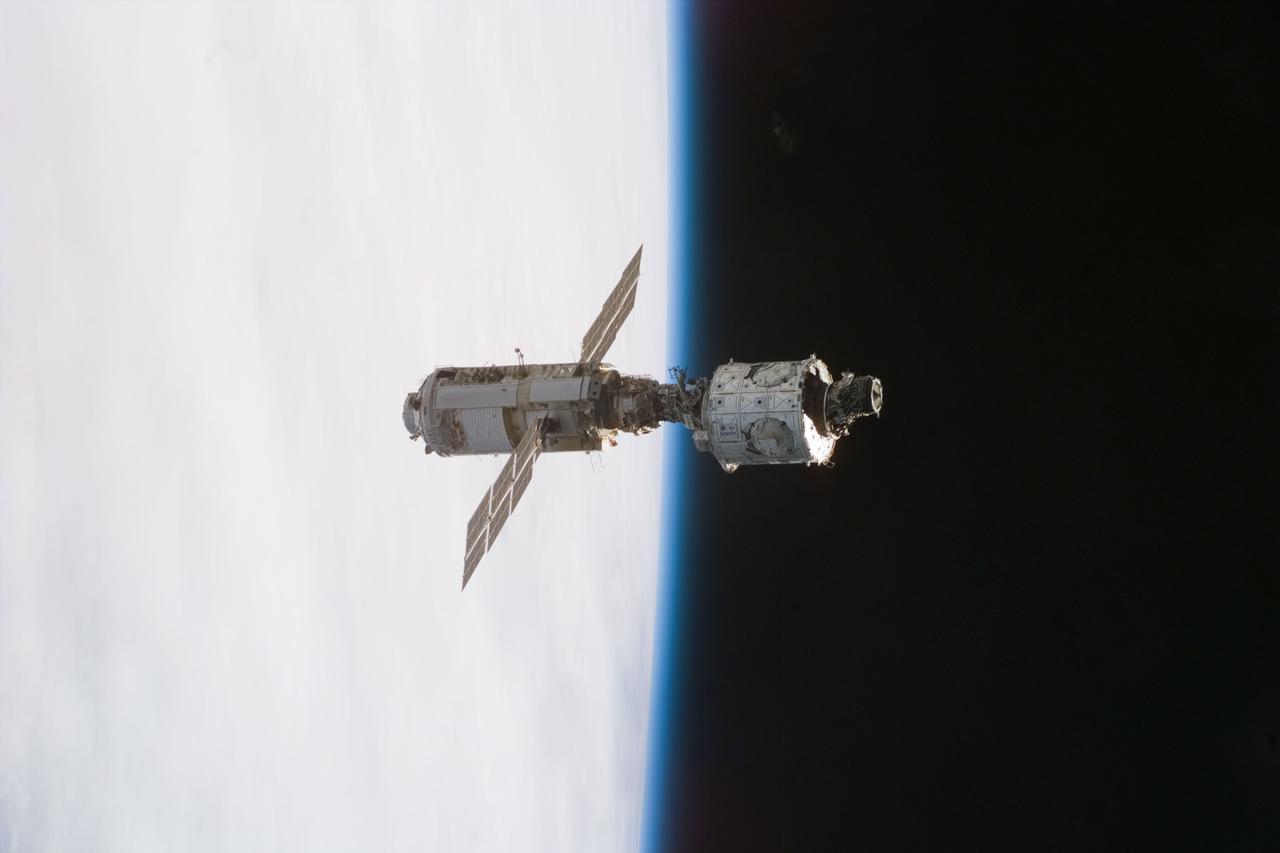
Image: NASA — View of the International Space Station in orbit
→ Orbital Vantage Points and the Search for Anomalies
The presence of astronauts in orbit offers a unique perspective on the planet below and the vast expanse above. Historically, the NASA and UFO Evidence from Space discourse has often centered on whether the agency’s persistent orbital presence serves as a silent watchdog for UAP phenomena. While official agency policy focuses on atmospheric science, astrobiology, and the search for biosignatures—such as those discussed in recent NASA Confirms Biosignature: K2-18b and the 'Life-Creating' Gas Cover-Up reports—some independent investigators claim the data collected by orbital sensors remains a subject of intense scrutiny.
The integration of commercial partners like SpaceX into these missions has changed the cadence of orbital operations. As noted in NASA's Artemis II Mission and Potential UAP Monitoring in Deep Space, the shift toward a more robust, commercialized space economy necessitates a higher degree of transparency regarding what is seen in the vicinity of the ISS. Some observers speculate whether these crews encounter phenomena that defy conventional explanation, a topic often relegated to the fringes, yet the frequency of these missions ensures that the human eye continues to scan the orbital horizon.
→ Future Missions and the Path to Disclosure
As the Crew-13 mission settles into its operational phase, NASA is already looking ahead. The agency recently shared Crew-14 assignments, signaling that the rhythm of human spaceflight is accelerating. This continuity is essential for scientific progress, but it also provides a stable platform for long-term monitoring of the space environment. For those invested in UAP Disclosure, every mission is an opportunity to gather more data, refine observational protocols, and potentially bridge the gap between official NASA reporting and the reports of anomalous aerial phenomena that continue to surface from pilots and ground-based observers alike.
Ultimately, the Crew-13 launch is a reminder that humanity’s reach into space is expanding. Some argue that whether this expansion will lead to a clearer understanding of our place in a universe that may be inhabited by Non-Human Intelligence depends on the willingness of agencies to share the full scope of their orbital findings. For now, the work continues aboard the ISS, with the global space community watching both the stars and the data with equal interest.